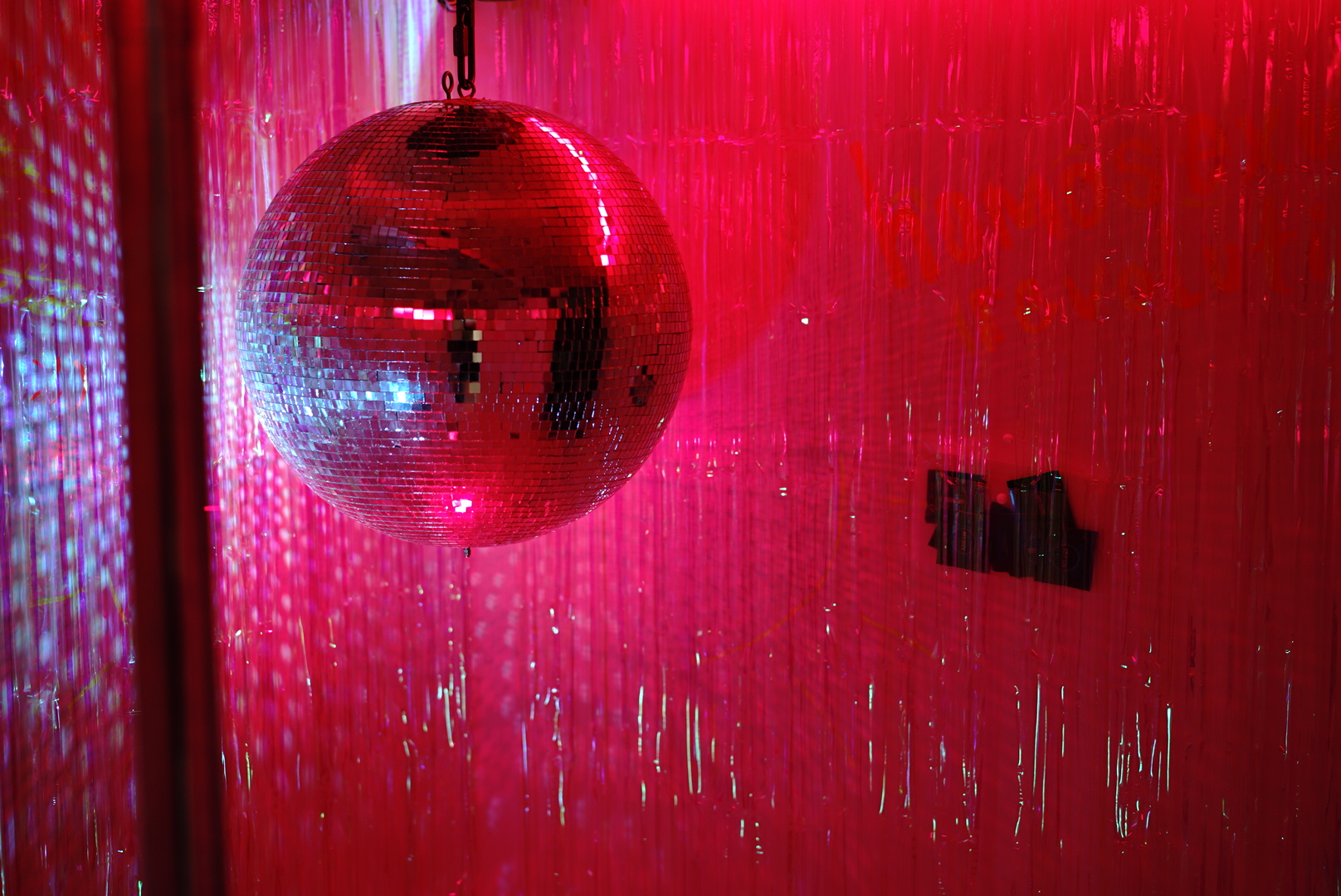
Before §175 of the German Criminal Code (StGB) was relaxed in 1969 and homosexual desire was no longer punishable per se, it had to seek out its own paths and places: beyond the visible, in the shadows of society. It was on the margins of urban space—parks under the cover of night, public restrooms, abandoned harbor piers, industrial ruins—that a desire took shape which had no place in public life and, precisely because of this, found its own form. What began as repression became a living practice: a knowledge of small gestures and signs, hidden moments of attention, the codes of cruising. Through art, through bodies, through expression, these places were transformed. In this act of appropriation, the forbidden and the repurposing gave rise to a desire of its own, a resistance. An early form of what we today call queer joy: born not in spite of, but precisely from the experience of exclusion and marginalization.
This energy continues today: it pulsates in club culture, in dance culture, opening up spaces where none existed before. This history is audible in the music of that era—for example, here in Saeleen Bouvar’s set inspired by FRONT, one of Hamburg’s first gay techno clubs. It will also be audible in the future, for instance in the music of a queer community that remains marginalized, which can be experienced at the Transtronica Festival at Kampnagel.